
Understanding Bacillus cereus Infection Risks and Effective Prevention Strategies

Updated: May 23
Bacillus cereus: Understanding the Risks and Prevention of Food Poisoning
Bacillus cereus is a common bacterium that can cause food poisoning in 2 to 5% of cases in the UK. It often hides in everyday foods and can lead to unpleasant symptoms like vomiting and diarrhoea. Understanding the risks and knowing how to prevent infection is important for keeping yourself and your family safe.
What is Bacillus cereus, and why is it a risk?
Bacillus cereus is a type of bacteria found in soil, dust, and many foods. It can survive cooking because it forms spores that resist heat. When food is left out too long or not stored properly, these spores can grow into bacteria that produce toxins. These toxins cause two types of illness: one that leads to vomiting and another that causes diarrhoea.
The risk comes from eating food contaminated with these toxins. Common foods involved include rice, pasta, dairy products, and cooked vegetables. For example, cooked rice left at room temperature for several hours is a well-known source of Bacillus cereus food poisoning.
People with weaker immune systems, young children, and older adults are more vulnerable to severe symptoms. Most cases are mild and clear up quickly, resolving within 24 hours. However, in some cases, it can lead to dehydration or more serious health issues such as severe infection (sepsis and meningitis) and, rarely, death.
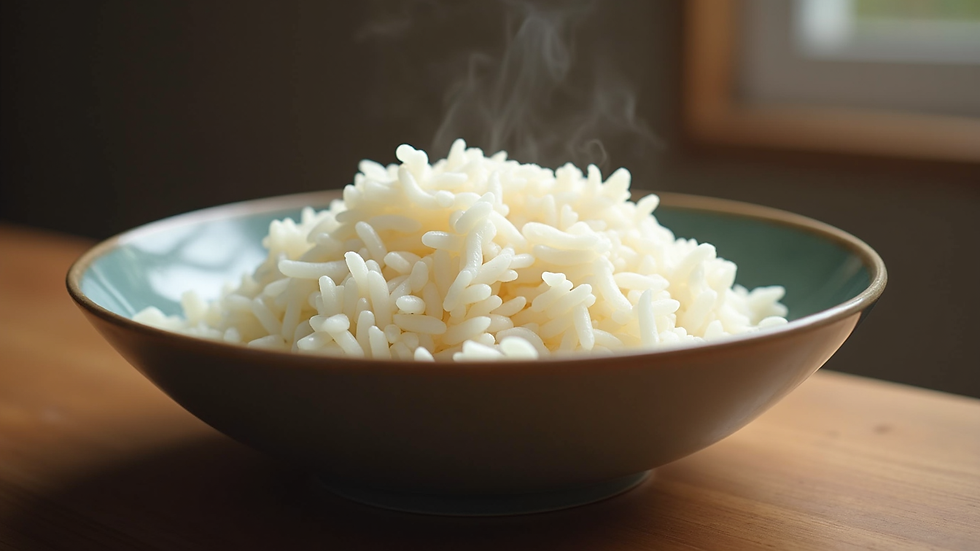
How Bacillus cereus infection happens
The infection usually happens when food is not handled or stored correctly. Here are some common ways Bacillus cereus can contaminate food:
Cooking food does not kill spores, so if food is left out, spores can grow into bacteria.
Food left at room temperature for too long allows bacteria to multiply.
Reheating food improperly may not destroy toxins already produced.
Cross-contamination from raw to cooked food.
For example, if you cook rice and leave it on the kitchen counter for several hours before refrigerating, the spores can grow and produce toxins. Eating this rice can cause vomiting within a few hours.
Signs and symptoms of Bacillus cereus infection
Symptoms usually appear within a few hours after eating contaminated food. There are two types of illness caused by Bacillus cereus:
1. Emetic syndrome (vomiting type)
Nausea and vomiting
Stomach cramps
Usually starts 1 to 5 hours after eating
Lasts about 6 to 24 hours.
2. Diarrhoeal syndrome
Watery diarrhoea
Abdominal cramps
Nausea may occur but vomiting is rare
Starts 6 to 15 hours after eating
Lasts about 24 hours.
Most people recover without treatment, but staying hydrated is important. If symptoms are severe or last longer than a day, seek medical advice.
How to prevent Bacillus cereus infection
Preventing Bacillus cereus infection mainly involves safe food handling and storage. Here are practical steps to reduce the risk:
Cook food properly
Cook food thoroughly to kill bacteria but remember spores can survive.
Avoid partially cooking food and finishing it later.
Cool food quickly
After cooking, cool food as fast as possible.
Divide large portions into smaller containers to speed cooling.
Avoid leaving cooked food at room temperature for more than 2 hours.
Store food safely
Refrigerate cooked food below 5°C promptly.
Use airtight containers to prevent contamination.
Consume refrigerated leftovers within 1 to 2 days.
Reheat food properly
Reheat food until steaming hot (above 75°C).
Do not reheat food more than once.
Maintain kitchen hygiene
Wash your hands before handling food.
Clean kitchen surfaces and utensils regularly.
Avoid cross-contamination between raw and cooked foods.
Using a reliable food thermometer can help ensure food reaches safe temperatures, and alongside quality storage containers supports safe food handling.

What to do if you suspect Bacillus cereus infection
If you or someone you care for shows symptoms after eating, take these steps:
Drink plenty of fluids to avoid dehydration.
Rest and avoid solid foods until vomiting or diarrhoea eases.
Seek medical advice if symptoms are severe, last more than 24 hours, or if you belong to a vulnerable group. You may need hospitalisation for IV fluids and antibiotic treatment.
Food poisoning can be unpleasant but usually clears up quickly. If you want to learn more about food safety and preventing infections, resources like the NHS website offer clear guidance.
Final thoughts on Bacillus cereus infection and prevention
Bacillus cereus infection is a common but preventable cause of food poisoning. The key is to handle and store food safely. Cooking food properly, cooling it quickly, storing it in airtight containers, and reheating it thoroughly all reduce the risk.
Using tools like a food thermometer and airtight storage containers can make these steps easier and more reliable.
By following these simple practices, you can protect yourself and your family from Bacillus cereus infection and enjoy your meals safely.
Understanding the Importance of Food Safety
Food safety is crucial for everyone. It helps prevent foodborne illnesses and ensures that meals are enjoyable and safe. By being aware of potential hazards, you can make informed choices in the kitchen.
The Role of Education in Food Safety
Education plays a vital role in food safety. Knowing how to handle food properly can significantly reduce the risk of contamination. This knowledge empowers individuals to take charge of their health and well-being.
Community Awareness and Support
Communities can work together to promote food safety. Sharing information and resources can help everyone stay informed. This collective effort can lead to healthier eating habits and a safer food environment.
Conclusion: Your Responsibility in Food Safety
Ultimately, food safety is a shared responsibility. By following best practices and staying informed, you can contribute to a safer food culture. Remember, the health of you and your loved ones is worth the effort.

Exploring Kitchen Renovation Toronto resources helps homeowners consider important details before committing to major design decisions.
For users researching 10.0.0.0.1, understanding router IP addresses can make network management easier. Discover how to check your gateway, access compatible administration panels, configure WiFi, and troubleshoot common login issues.
The main risks slope run are diarrhea, vomiting, and dehydration, but in rare cases, it can cause severe infections of the eyes, lungs, or nervous system. The most effective preventive measure is to cook food thoroughly and store it properly. Be careful
Great explanation of Bacillus cereus prevention. Food safety often comes down to small daily habits, such as proper storage and careful preparation. It is also interesting to see how people combine healthy routines with online activities like Cool Games for quick relaxation in their free time.